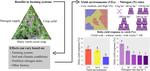
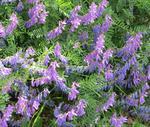
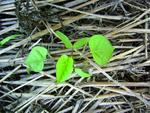
The spatial variability of soil organic matter, plant water availability, and soil nitrogen (N) availability are drivers of crop response to mineral N fertilizer. The complex interaction of these factors is responsible for within-field corn and wheat yield variability. The hairy vetch (HV) cover crop is an economic, environmentally friendly, and efficient N source capable of conciliating crop yield and soil health. Nevertheless, the HV effects to mitigate yield gap of management zone (MZ) have not yet been documented.